pica in cats article
Cats with pica may chew on or eat wood fabrics blankets or other objects. Eating things that are not edible - pica in cats.

Pin On Cat Breeding And Health Care
Cats who obsessively lick nibble andor consume items are exhibiting a form of pica.

. This article has been viewed 20967 times. 9 rows There is limited research exploring the prevalence of pica in cats and the factors influencing. To deal with this condition consult your veterinarian hire an animal behavior consultant and have the number for a 247 poison control phone line ready.
Up to 10 cash back Pica in cats refers to the ingestion of non-food items. Because many researchers consider pica to have a genetic component the cats that. The prevalence and cooccurrence of pica towards different target materials were investigated using prospective data from three questionnaires completed by owners participating in a longitudinal study of UK pet cats.
Pica in cats may involve kitties sucking wool stuffed animals or fleece as well as other non-food materials including litter soil yarn strings paper including toilet paper wood dirt cardboard blankets socks jackets plastic shoelaces shower curtains electric cords or. Pica is when cats chew or eat non-food objects such as plastic. If it is an oral compulsive behavior it is generally shown initially in conflict situations and then generalizes with time to other contexts.
Treatment usually focuses on environmental modification. Pica is a term used to describe behaviour in cats where they regularly eat items that are not considered edible. There is evidence that many cats displaying pica often begin by sucking or chewing wool and then progress to other fabrics andor to ingestion.
It is most frequently seen in certain breeds such as. As the saying goes knowledge is power. Pica towards one or more material types was reported in 429 229534 320 171534 and 309 165534 of cats aged approximately 6 12 and 18 months.
But its estimated that around 40 of cats will be affected in their lifetime which is a huge number of our beloved felines. It was derived from the Latin word for Magpie. Approximately 25 of cats in the United States have pica syndrome.
The biggest concern with pica is a gastrointestinal obstruction. Pica is a human and animal disorder characterized by eating things that are typically considered as non-food or do not have any nutritive value. Pica in cats has been classified variously as a stereotypy McKeown et al 1992 with compulsive grooming Overall 1992 and as an ingestive behaviour problem Borchelt and Voith 1982.
However mixed breeds are not immune to pica. Because many researchers consider pica to have a genetic component the cats that are more commonly prone to this condition are Siamese Oriental Shorthairs Burmese and Birmans. Pica is difficult to diagnose in cats because some chewing and sucking behavior is normal.
Cats with pica were less commonly fed ad libitum than healthy cats. As frequently reported pica and vomiting were related but the causative association is not well established and thus warrants further investigation. A bird that has notorious indiscriminate dietary customs.
Cat pica is also associated with feline leukemia and feline immunodeficiency virus and it may be triggered by conditions like diabetes or brain tumors. If your cat is eating chewing or licking plastic or plastic bags the first step is a trip to. Before a cat is diagnosed with pica it means the syndrome and behavior have been going on for a long time as cats tend to be very secretive.
This sometimes includes repeated eating one specific item such as stones but can also be eating a range of items such as items of clothing sticks plastic hair bands elastic bands cat litter soil or whatever they can find. April 17 2021 References. Pica is relatively uncommon in cats.
Described by researchers as the ingestion of inedible items this condition can affect cows birds dogs and even humans too. Pica the ingestion of inedible items does not seem to be the consequence of a suboptimal environment or early weaning. A cat suffering from pica syndrome will go to all lengths to find and chew its favorite material.
Since it is largely restricted to certain breeds it must have some genetic basis but it also has environmental triggers which are poorly understood. Feline pica refers to long-term compulsive chewing and eating of non-food items such as plants power cords and fabric. Learn the Causes Symptoms and Treatment of Pica in Cats.
Pica in cats article. Pica is relatively uncommon in. Pica in cats article.
Pica is when cats chew or eat non-food objects such as plastic.

Pica In Cats Symptoms Causes Treatments Dutch

Keeping Cats Safe Pica International Cat Care

11 Super Sweet Photos Of Sleeping Kittens Cat Hug Cute Baby Animals Cute Baby Cats

Pin On Cat Health Things Every Cat Owner Should Know
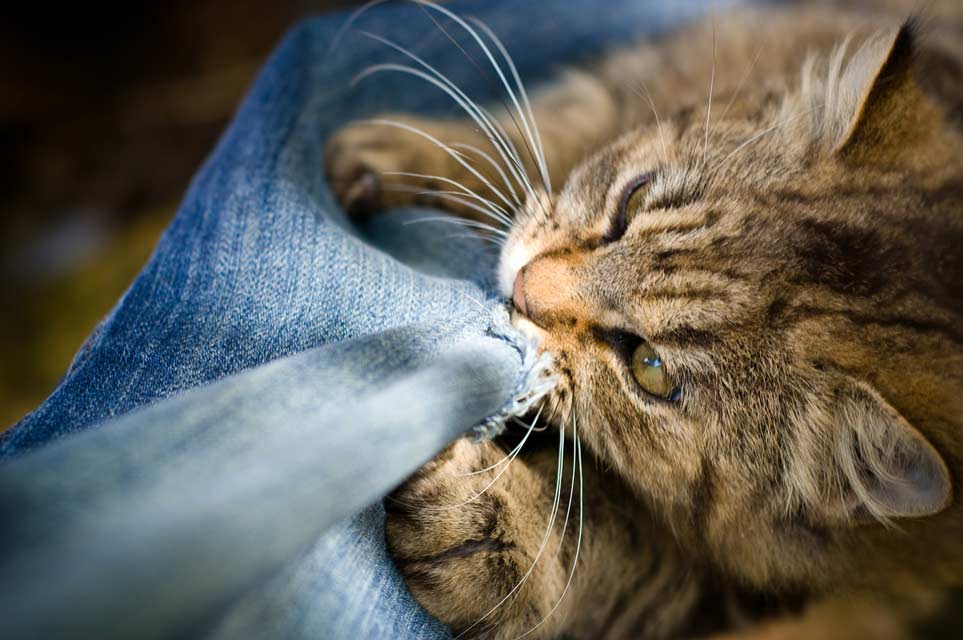
Pica In Cats Why Cats Eat Strange Things

Pin En Cat Health Things Every Cat Owner Should Know

Pin On Cat Health Things Every Cat Owner Should Know
Pica In Cats When Your Feline Has Unusual Cravings I Love Veterinary
Attention Seeking Behavior In Cats Endearing And Annoying Attention Seeking Behavior Animal Articles Cats

My What Big Ears You Have Small Wild Cats Wild Cats Animals Wild

Pica In Cats What It Is Common Causes Tips For Treating It The Honest Kitchen

Pin On Cat Health Things Every Cat Owner Should Know

Disney Com The Official Home For All Things Disney Cat Toys Cat Pet Supplies Best Interactive Cat Toys

Why Cats Lick Plastic And Other Odd Behaviors Explained

How To Keep Your Cat Safe From Cords Wires Cables Cattime Cat Safe Cats Cat Facts

Pica In Cats Great Pet Care

Pin On All About Cats
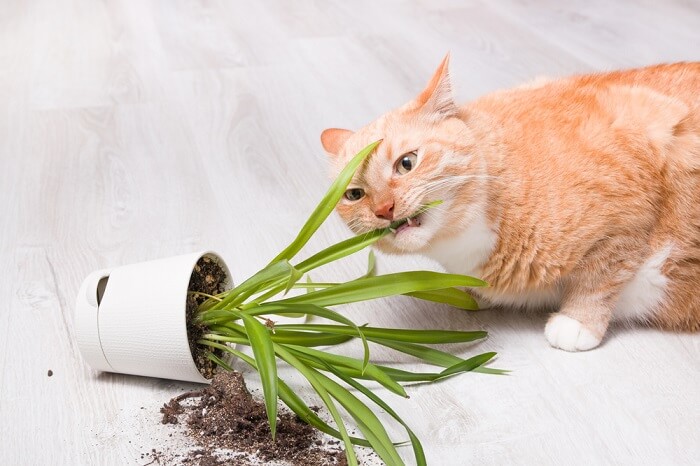
Pica In Cats Causes Symptoms Treatment All About Cats

Pin On Cat Health